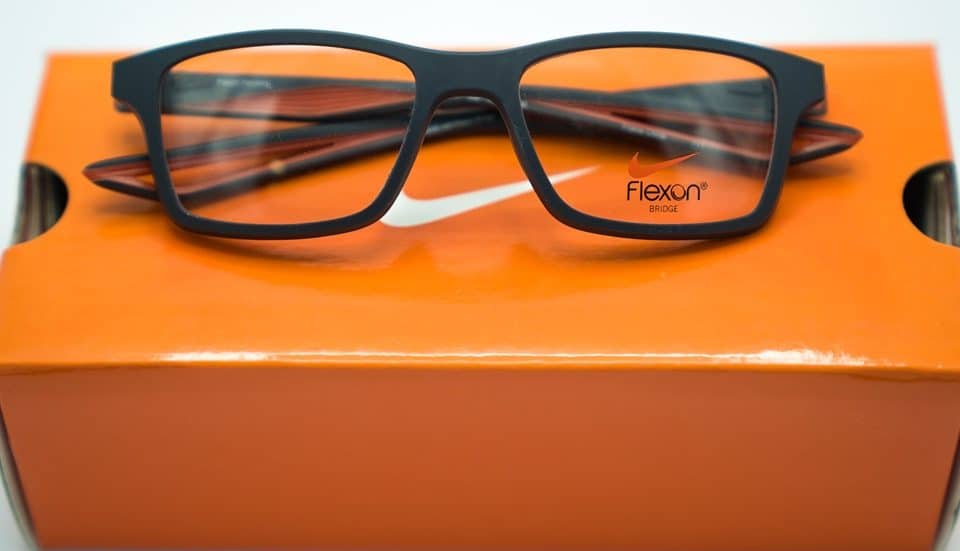
- We carry children’s frames, lenses, and sports eyewear
- 212-982-3762

Choosing the Right Kids’ Eyeglasses in NYC: Parent’s Guide

How to Choose the Right Glasses for Your Child in NYC
November 25, 2025
The Importance of Durable & Kid-Proof Lenses for Active Children
December 3, 2025
Choosing the Right Kids’ Eyeglasses in NYC: A Parent’s Guide to Style and Comfort
Finding the perfect eyeglasses for your child in NYC can feel overwhelming. With countless frame options, varying price points, and the challenge of getting your little one excited about wearing glasses, many parents don’t know where to start.
The truth is, the right pair of kids’ eyeglasses needs to balance three critical elements: proper fit for clear vision, durability for active lifestyles, and style that makes your child feel confident. When you get these factors right, glasses transform from a daily struggle into something your child actually wants to wear.
Let’s explore how to navigate NYC’s children’s eyewear landscape and find frames that work for your family’s needs and budget.
Understanding Your Child’s Face Shape and Fit Requirements
The foundation of successful kids’ eyeglasses starts with understanding how different frame shapes complement your child’s face. Unlike adult eyewear shopping, children’s glasses require special attention to proportions and growth patterns.
Round faces benefit from rectangular or square frames that add structure and definition. Angular faces, on the other hand, look great with softer, rounded frames that balance sharp features. For heart-shaped faces, frames that are wider at the bottom help create visual balance.
However, face shape is just the starting point. Proper fit involves ensuring the frames sit correctly on your child’s nose bridge, don’t slide down constantly, and position the lenses at the right height for optimal vision correction.
How Professional Fitting Makes All the Difference
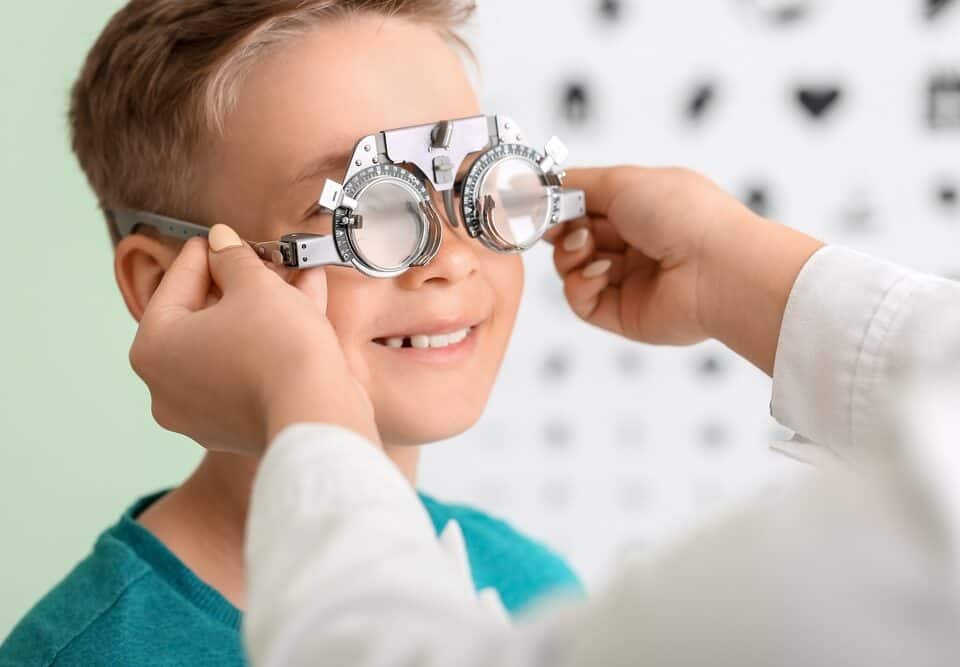
Professional fitting goes far beyond simply choosing frames that look good. Our licensed opticians understand the unique challenges of fitting children’s glasses, from accommodating smaller nose bridges to ensuring temples provide secure hold without causing pressure points.
The most critical aspect is lens positioning. When glasses don’t sit properly, your child’s vision correction becomes less effective, potentially leading to eye strain, headaches, and academic difficulties. Children often can’t articulate when something feels “off” with their glasses, making professional expertise essential.
A proper fitting also involves adjusting temple length and angle, ensuring the nose pads distribute weight evenly, and confirming that the frames stay in place during normal activities like running, jumping, and playing sports. These adjustments require specialized tools and knowledge that only trained opticians possess.
Quality fittings also include educating both parent and child about proper care, adjustment signs to watch for, and when to return for fine-tuning. Children’s faces change rapidly, and frames that fit perfectly today may need adjustments in just a few months.
The investment in professional fitting pays dividends in your child’s comfort, vision quality, and willingness to wear their glasses consistently. Many vision problems in school-age children stem not from incorrect prescriptions, but from poorly fitted frames that children avoid wearing.
Selecting Durable Materials for Active NYC Kids
NYC kids lead active lives, from playground adventures to sports activities, making frame durability a non-negotiable factor. The materials you choose can mean the difference between glasses that last months versus those that need constant replacement.
Modern children’s eyewear utilizes advanced materials specifically engineered for durability. Flexible plastic frames, often made from TR-90 or similar materials, can bend significantly without breaking. These frames are particularly effective for younger children who might accidentally sit on their glasses or drop them frequently.
Metal frames have evolved significantly, with titanium and memory metal options offering incredible strength while remaining lightweight. These materials resist bending and return to their original shape even after significant stress. Spring hinges represent another crucial durability feature, allowing temples to flex outward without breaking when children put glasses on incorrectly or sleep in them.
Lens materials matter equally. Polycarbonate lenses provide impact resistance that’s essential for active children, while maintaining optical clarity. These lenses are significantly more shatter-resistant than traditional plastic, providing both safety and durability benefits.
Consider your child’s specific activities when selecting materials. Children involved in sports may benefit from wraparound styles with rubber temple grips, while bookish kids might prioritize lightweight comfort for extended reading sessions. The goal is matching material properties to your child’s lifestyle patterns.
Style Considerations That Make Kids Want to Wear Their Glasses
Getting your child excited about wearing glasses requires understanding current style trends while ensuring age-appropriate choices. Today’s kids’ eyewear market offers sophisticated options that mirror adult fashion without sacrificing functionality.
Current trends show children gravitating toward frames that make them feel mature and stylish. Clear frames offer versatility and work with any outfit, while bold colors allow self-expression. Many children prefer frames that look similar to what their parents or older siblings wear, seeing glasses as a way to appear more grown-up.
The key is involving your child in the selection process while guiding them toward practical choices. Let them express preferences for colors and general styles, then narrow options to frames that meet your durability and fit requirements.
Age-Appropriate Frame Styles and Trends
Different age groups have distinct style preferences and practical needs that should influence frame selection. Understanding these differences helps ensure your child will be happy with their glasses choice.
Younger children (ages 3-7) often prefer bright, playful colors and may be drawn to frames featuring favorite characters or fun patterns. However, avoid overly trendy designs that might feel childish as your child grows. Classic shapes in vibrant colors offer the best balance of fun and longevity.
School-age children (ages 8-12) typically want to fit in with peers while expressing individual personality. They often gravitate toward frames that look “cool” rather than cute. Rectangular frames, subtle cat-eye shapes, and classic aviator-inspired designs work well for this age group.
Teenagers want glasses that reflect their developing personal style. They often prefer frames that could work for adults, favoring sophisticated shapes and more muted color palettes. Metal frames, designer-inspired styles, and trendy shapes like geometric or vintage-inspired rounds appeal to this demographic.
Remember that children’s style preferences can change quickly. Choosing frames with timeless appeal in colors your child loves provides the best chance of long-term satisfaction. Also consider having backup pairs in different styles, allowing your child to switch based on mood or activity.
Balancing Style with Practical Lens Features
Modern lens technology offers numerous features that enhance both function and style, but understanding which options benefit your child requires careful consideration of their daily activities and environment.
Anti-reflective coatings reduce glare from computer screens and overhead lighting, making them particularly valuable for school-age children who spend significant time with digital devices. These coatings also improve the appearance of glasses by reducing reflections that can hide your child’s eyes.
Blue light filtering has become increasingly popular as screen time concerns grow among parents. While research on blue light’s effects remains ongoing, many parents find peace of mind in this additional protection for their children’s developing eyes.
Photochromic lenses that darken in sunlight eliminate the need for separate prescription sunglasses, providing convenience for active children who frequently move between indoor and outdoor environments. This feature is particularly useful for NYC kids who walk to school or spend time in parks.
Scratch-resistant coatings extend lens life significantly, especially important for children who may not handle glasses carefully. UV protection should be standard in any quality lens, protecting developing eyes from harmful radiation.
Consider your child’s specific needs when selecting lens features. Children with high prescriptions benefit from high-index lenses that reduce thickness and weight. Active children need impact-resistant materials, while studious kids might prioritize anti-fatigue features for extended reading.
Making the Right Choice for Your NYC Child
Choosing the right kids’ eyeglasses in NYC requires balancing multiple factors: proper fit, durable construction, appealing style, and practical lens features. The most important element is finding an experienced provider who understands children’s unique needs and can guide you through the selection process.
Remember that the best glasses are the ones your child will wear consistently. Involving them in the decision-making process, while maintaining focus on practical requirements, creates the best chance for success. Quality fitting by licensed professionals ensures optimal vision correction and comfort.
When you’re ready to find the perfect eyeglasses for your child, we’re here to help. Our specialized expertise in pediatric eyewear helps NYC families navigate these important decisions with confidence.