
What Makes Kids Glasses Trendy in 2026
The biggest shift in children’s eyeglass frames this year is the “mini-me” movement. Kids no longer want frames that scream “children’s section.” They want glasses that look like what their parents, older siblings, and favorite influencers wear.
This trend has pushed manufacturers to create sophisticated designs in child-appropriate sizes. You’ll see the same clean lines, premium materials, and fashion-forward shapes found in adult collections, just engineered for smaller faces. The difference matters because kids who feel stylish in their glasses are far more likely to wear them consistently.
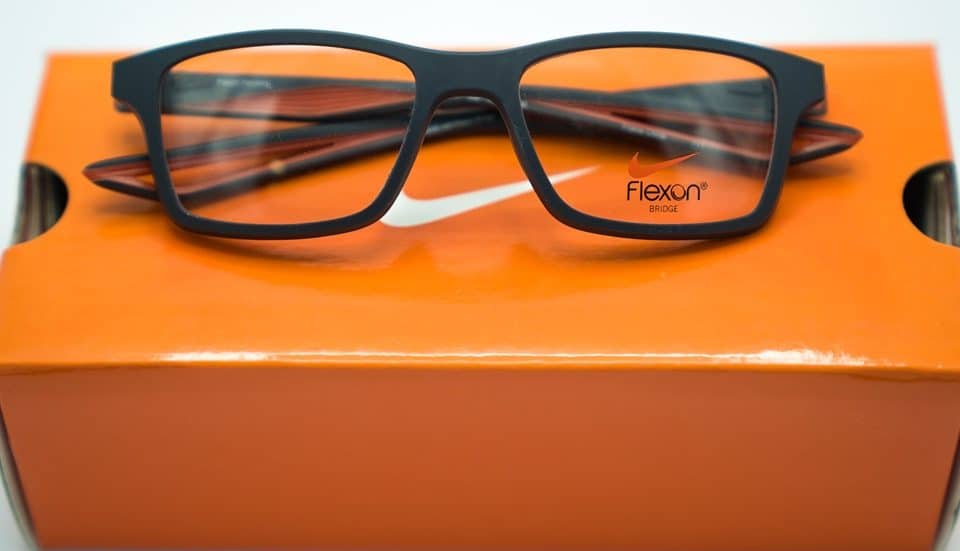
What separates 2026 trends from previous years is the balance between aesthetics and function. Stylish kids glasses now come with flex hinges, impact-resistant materials, and lightweight construction as standard features, not upgrades.
Bold Colors and Geometric Shapes Leading Kids Eyewear Styles
Walk into our store, and you’ll immediately notice the explosion of color. Bright, saturated hues dominate the kids glasses trends landscape this year—vibrant pinks, deep violets, electric blues, and cheerful yellows. These aren’t subtle pastels. They’re statement-making shades that let kids express personality through their frames.
Geometric shapes pair perfectly with these bold colors. Square frames with pronounced angles add definition for kids with rounder faces. Cat-eye styles bring a playful retro vibe that works especially well for ages 8-14. Round frames offer that vintage-inspired look without feeling dated, and they’re experiencing a major comeback in 2026.
The popularity of these shapes ties directly to what kids see in popular culture and social media. When their favorite characters or online personalities wear similar styles, suddenly glasses become cool rather than something to hide. Parents appreciate that these trendy options come in durable materials that survive daily wear.
Color psychology plays a role too. Bright frames help younger children feel excited about wearing glasses, turning what could be a source of anxiety into something fun. For older kids and teens, bold colors become a form of self-expression and confidence building. A child who picks electric blue frames or hot pink cat-eyes is making a statement about their personality.
Frame manufacturers have responded by offering the same style in multiple colorways, so siblings or friends can match or coordinate. This social aspect of eyewear—treating glasses as a fashion accessory rather than a medical necessity—represents a fundamental shift in how children view their vision correction. When glasses become part of their identity rather than something they’re forced to wear, compliance improves dramatically.
Oversized Frames Making a Big Statement in Children’s Eyewear
Oversized frames have moved from runway trend to everyday reality for kids. These larger silhouettes offer both style impact and practical benefits, making them one of the most popular kids glasses trends in 2026. You’ll see them everywhere from playgrounds to school hallways.
The appeal is straightforward—bigger frames create a fashion-forward look that kids associate with being more grown-up. Designer-inspired looks in premium acetate glasses with generous proportions are especially popular for ages 8-14, often in sophisticated colors like tortoiseshell, black, and deep red. Mini versions of iconic aviator styles with oversized lenses are also trending, paired with lightweight metal construction that doesn’t weigh down small faces.
But oversized doesn’t mean poorly fitted. The key is finding frames that are large for style impact while still properly proportioned for a child’s face structure. The frames shouldn’t extend past the face width or sit too close to the cheekbone. Professional fitting becomes even more critical with oversized styles to ensure the optical centers align correctly with the pupils, since even small errors reduce vision correction effectiveness.
These larger frames work particularly well for kids who need stronger prescriptions. The bigger lens area provides better peripheral vision and reduces the thick-lens effect that smaller frames can create. Parents often find their children prefer oversized frames because they feel less restrictive and offer a wider field of clear vision, which helps with everything from reading to sports.
The trend also extends to frame thickness. Chunky acetate frames in bold colors combine the oversized aesthetic with durability. These substantial frames can take a beating on the playground while maintaining their shape, which addresses one of parents’ biggest concerns about children’s eyewear. Look for premium acetate or reinforced plastic construction with spring hinges that flex rather than snap under pressure.
Sustainable and Eco-Friendly Kids Glasses Trends
Environmental consciousness has reached the children’s eyewear market, and sustainable kids glasses represent one of the fastest-growing segments in 2026. Parents increasingly want their purchasing decisions to reflect their values, and eyewear is no exception.
Eco-friendly doesn’t mean compromising on style or durability. Today’s sustainable children’s eyeglass frames match or exceed traditional materials in both aesthetics and performance. The shift toward environmental responsibility is changing how frames are manufactured, packaged, and marketed to families who care about their impact.
Recycled and Bio-Based Materials in Trendy Kids Eyewear
Many brands have launched children’s collections made entirely from recycled and bio-based materials. These models exemplify the trend—eco-friendly construction paired with vibrant colors and modern shapes that kids love. The frames use recycled plastic or plant-based acetate sourced from wood pulp and cotton, offering the same flexibility and durability as traditional acetate while dramatically reducing environmental impact.
Bio-based acetate breaks down naturally under proper conditions, compared to traditional plastics that persist for centuries. For parents concerned about their environmental footprint, this represents a meaningful difference without sacrificing quality. Your child gets glasses that look great and perform well, and you gain peace of mind knowing you’re making a more responsible choice.
Recycled metal frames use reclaimed stainless steel combined with eco-friendly acetate elements. These hybrid designs provide the strength of metal with the comfort and style of acetate accents. The manufacturing process for recycled materials also consumes less energy and produces fewer greenhouse gas emissions compared to virgin materials.
Sustainable eyewear extends beyond the frames themselves. Many eco-conscious brands now ship glasses in reusable boxes made from recyclable paper, with cases and cleaning cloths manufactured from recycled fabric extracted from plastic bottles. This holistic approach to sustainability resonates with environmentally aware families.
The pricing for sustainable kids glasses has become increasingly competitive. While eco-friendly options once commanded premium prices, improved manufacturing processes and growing demand have brought costs in line with traditional frames. You no longer have to choose between environmental responsibility and affordability.
Grow-With-Your-Child Adjustable Frame Designs
One of the smartest innovations in trendy kids eyewear addresses a persistent parent frustration—children outgrow glasses quickly. Adjustable frame designs extend the usable life of glasses, reducing replacement frequency and overall costs.
Adjustable temple and nose pad systems adapt as a child’s face grows. These frames may feature extendable temples and repositionable nose pads that accommodate growth spurts. The technology allows a single pair of frames to fit comfortably for longer periods, which translates to real savings over time.
The adjustability also fine-tunes fit for optimal comfort. Even within the same age group, children’s faces vary significantly in width, bridge height, and ear positioning. Adjustable components let opticians customize the fit precisely, which directly impacts whether a child will wear their glasses consistently. A properly fitted pair feels comfortable enough that kids forget they’re wearing them.
Flexible frame materials complement adjustable designs. TR-90 thermoplastic and memory metal frames can bend significantly without breaking, surviving drops, sits, and being tossed into backpacks. These materials return to their original shape after stress, maintaining proper fit longer than rigid frames.
The combination of adjustability and flexibility addresses the top two parent pain points—frequent replacements due to growth and breakage from rough handling. While adjustable frames may cost slightly more upfront, the extended lifespan and reduced need for replacements make them cost-effective over time. Some designs incorporate interchangeable components, allowing you to update elements as your child’s style preferences evolve.
Finding the Right Trendy Glasses for Your Child
The kids glasses trends dominating 2026 offer something for every child’s personality and every parent’s priorities. Bold colors and geometric shapes let kids express themselves. Sustainable materials align purchases with values. Oversized frames deliver both style and function. Adjustable designs grow with your child, reducing replacement frequency.
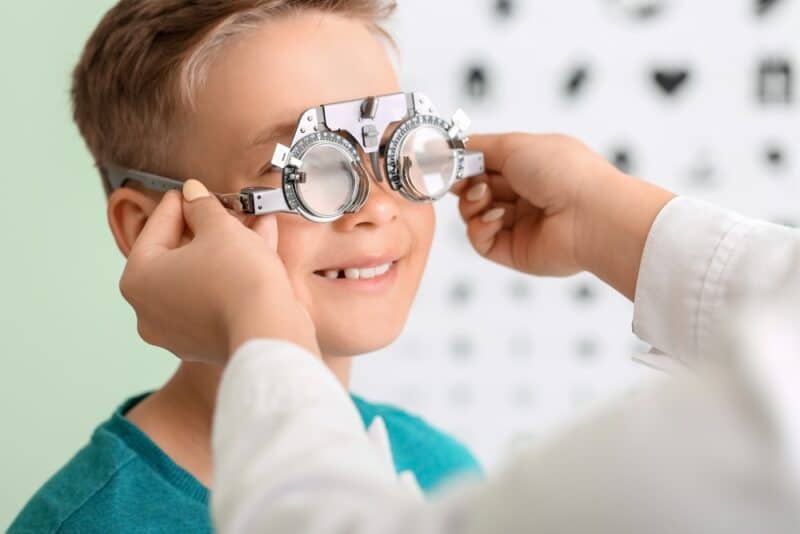
What matters most is finding frames your child will actually wear. The trendiest glasses in the world do not help if they stay in the case. Involving your child in the selection process while guiding them toward durable, properly fitted options creates the best outcome. Professional fitting ensures the glasses not only look good but provide the vision correction your child needs for learning and development.
If you’re ready to explore these trends in person, working with experienced opticians can help you find frames that combine the latest styles with the durability and fit children require.